
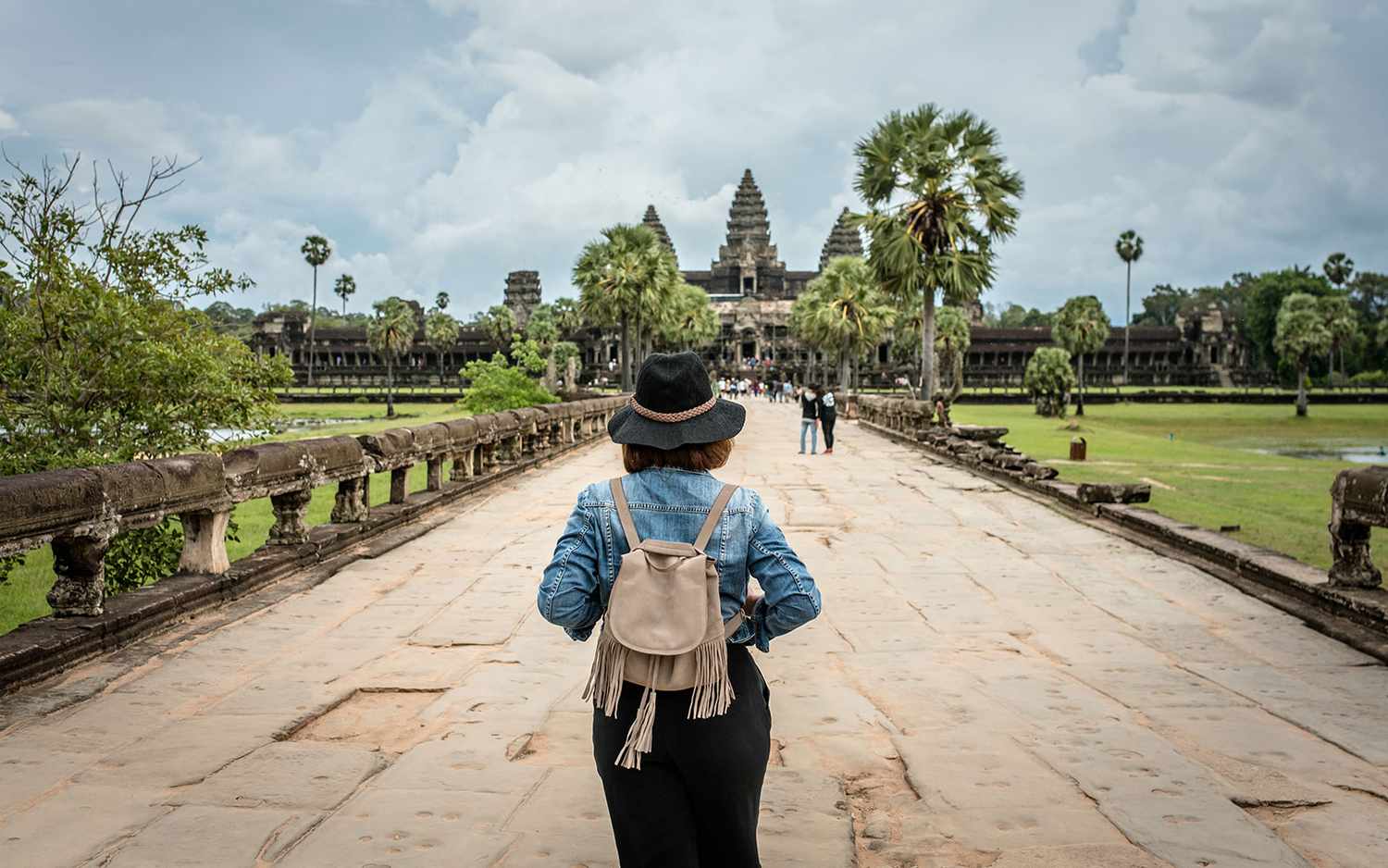
What’s stopping you from embarking on the adventure of a solo trip? The idea of exploring a new place all on your own may seem daunting, but with the right planning and mindset, it can be an incredibly rewarding experience. Here’s a comprehensive step-by-step guide to help you plan the perfect solo journey.
Understanding the Benefits of Solo Travel
Before you start planning, let’s talk about why solo travel can be such an enriching experience. When traveling alone, you have the incredible freedom to create your own itinerary and make decisions solely based on your interests. You can enjoy the flexibility of changing plans without consulting anyone else, allowing you to embrace spontaneity. Also, you’ll find that traveling solo offers opportunities for self-discovery and personal growth that you may not experience while traveling with others.
The Joy of Independence
One of the most empowering aspects of solo travel is independence. You choose where to go, what to see, and how to spend your time. Whether it’s sipping coffee in a quaint cafe or hiking a challenging trail, you can tailor your experience to suit your preferences.
Self-Discovery and Confidence
Traveling solo encourages self-reflection. You’ll step out of your comfort zone, face challenges, and make decisions on your own. These experiences can help boost your confidence and lead to a deeper understanding of yourself.
Setting Your Travel Goals
Now that you understand the benefits of traveling alone, it’s time to establish your goals. What do you hope to achieve during your solo trip? Identifying your goals will make planning much easier.
Getting Clear on Your Purpose
Consider what you want from this journey. Are you looking to relax, seek adventure, or immerse yourself in a different culture? Your purpose will help guide your choices as you plan.
Table: Types of Travel Goals
| Goal Type | Description |
|---|---|
| Relaxation | Focusing on unwinding and enjoying leisure time. |
| Adventure | Seeking thrilling activities like hiking or diving. |
| Cultural Experience | Engaging deeply with local customs and traditions. |
| Self-Discovery | Exploring personal growth and reflection. |
Setting Realistic Expectations
It’s essential to set realistic expectations for your trip. Understand your limits and comfort level. If you’re not an extroverted person, don’t force yourself to engage in social activities every day. Similarly, if you’re not used to long treks, choose destinations that suit your fitness level.
Choosing Your Destination
With your goals in mind, it’s time to pick a destination. Research locations that align with what you want to achieve. You might want to consider factors like safety, language, and accessibility.
Safety First
When selecting a destination, prioritize safety. Research reports on crime rates and read traveler reviews. Some countries and cities rank higher on safety scales, particularly for solo female travelers. Consider cities known for being solo traveler-friendly.
Language Considerations
Language barriers can impact your travel experience. Opt for destinations where you’ll feel comfortable communicating. If you speak the local language or if many locals speak English, it will likely enhance your overall experience.
Accessibility
Consider how easy it is to get around in your chosen destination. Look for cities with good public transport or walkability, and factor in the proximity of accommodations to attractions you wish to visit.
Budgeting for Your Trip
Creating a budget is a crucial part of planning your solo adventure. Determine your financial limits and allocate funds accordingly.
Establishing Your Budget Categories
Your budget should include a breakdown of various expense categories. This will help you understand where your money will go.
Table: Sample Budget Categories
| Expense Category | Estimated Cost |
|---|---|
| Accommodation | $X |
| Food | $Y |
| Activities | $Z |
| Transportation | $A |
| Miscellaneous | $B |
Finding Affordable Options
Solo trips can sometimes be pricier than traveling with others, especially when it comes to accommodations. Look for budget-friendly options like hostels, guesthouses, or homes through platforms like Airbnb. Many cities also offer free or low-cost attractions that can fit any budget.
Creating an Itinerary
An itinerary offers structure to your trip but remember to keep it flexible. Over-scheduling can lead to stress, which goes against the spirit of solo travel.
Highlighting Key Attractions
Identify major attractions that align with your goals. Whether you’re interested in museums, parks, or historical landmarks, jot down what you’d like to see.
Allow for Flexibility
While it’s great to have a plan, allow room for spontaneity. Some of the best experiences come from unexpected detours or conversations with locals.
Booking Your Accommodations
Finding the right place to stay is crucial for a comfortable solo trip. Consider how location affects your daily routine during your travels.
Picking the Right Accommodation Type
Depending on your budget and comfort level, you might choose from various types of accommodations, including:
- Hotels: Offer comfort and amenities but may be pricey.
- Hostels: A budget-friendly option with communal spaces for meeting other travelers.
- Airbnb: Unique lodging can provide a more local experience.
- Guesthouses: Often family-run, these can offer a more personal touch.
Table: Pros and Cons of Accommodation Types
| Accommodation Type | Pros | Cons |
|---|---|---|
| Hotels | Comfort, amenities | Higher costs |
| Hostels | Budget-friendly, social atmosphere | Less privacy |
| Airbnb | Unique stays, local flavor | Varied experiences |
| Guesthouses | Personal touch, local insight | Smaller, may lack amenities |
Check Reviews and Recommendations
Before booking, make sure to read reviews from fellow travelers. Websites like TripAdvisor and Yelp can provide insights into the experiences others have had at various accommodations.
Packing Wisely
Packing wisely is essential for a successful solo trip. You want to be comfortable without overloading yourself.
Creating a Packing List
Start your packing process by creating a list of essentials catered to your destination’s climate and culture. Here are some items you might consider:
- Clothing: Consider weather conditions and cultural norms. Lightweight, wrinkle-resistant clothes are great for travel.
- Toiletries: Bring travel-sized versions of your favorite products.
- Electronics: Don’t forget chargers, adapters, and a portable power bank for your devices.
Table: Sample Packing List
| Item | Quantity |
|---|---|
| Casual tops | 3-5 |
| Pants/shorts | 2-3 |
| Comfortable shoes | 1 pair |
| Flip-flops | 1 pair |
| Toiletries | Travel-sized |
| Medications | 1 week’s supply |
| Electronics (e.g., phone, camera) | 1 each |
Suitcase vs. Backpack
Choose your luggage wisely. A backpack provides mobility, especially in areas with uneven terrain, while a suitcase may offer more space. Consider what will be most practical for your itinerary.
Staying Connected and Safe
While you soak in your surroundings, it’s essential to stay connected and prioritize your safety.
Keep Your Devices Charged
Make sure your phone is fully charged, and consider investing in a portable charger. Stay connected with family and friends by updating them on your whereabouts regularly. They can also provide peace of mind.
Use Travel Apps
Leverage technology to enhance your solo travel experience. Download travel apps like Google Maps, language translators, and local transit guides to navigate unfamiliar places easily.
Trust Your Instincts
When exploring, stay vigilant and trust your gut. If a situation doesn’t feel right or you feel uncomfortable, remove yourself. You are your own best advocate during your journey.
Building Connections
Traveling alone doesn’t mean you have to be lonely. Building connections can enrich your experience and make it even more memorable.
Meet Other Travelers
Consider joining group tours or activities, as these can offer opportunities to meet fellow travelers. Whether you’re hiking, cooking, or taking a city tour, engaging with others can lead to new friendships.
Engage with Locals
Don’t hesitate to strike up conversations with locals. They can provide you with insights and recommendations that guidebooks often miss. Local eatery suggestions or hidden gems can make your trip even more special.
Embracing the Experience
As the date of your trip approaches, embrace the excitement that comes with solo travel. This journey of discovery is all about you, so take the time to soak in every moment.
Practice Mindfulness
While it’s tempting to document every second for social media, practice being present. Enjoy the sights, sounds, and smells around you. Take a moment to savor your meals and appreciate the tranquility of being alone yet connected to a larger world.
Reflect After Each Day
Keeping a travel journal can enhance your solo trip experience. Write about your feelings, experiences, and encounters. This reflection can deepen your understanding of your journey and your sense of self.
Post-Trip Reflections
Your journey doesn’t end when you step back home. Take the time to reflect on your experience and what you’ve learned.
Analyzing Your Trip
Think about what you enjoyed and what you might do differently next time. Did you achieve your travel goals? Perhaps you discovered new passions or overcame challenges that surprised you.
Sharing Your Story
Consider sharing your experiences with friends, family, or even a blog. Your stories can inspire others to embrace solo travel and embark on their own adventures.
Planning Future Trips
Once you’ve returned and reflected, start thinking about where you’d like to go next. Each solo trip can build upon the lessons of the last, creating a beautiful tapestry of experiences that shape your travels.
Conclusion
Planning the perfect solo trip involves thoughtfulness and preparation. By understanding your motivations, choosing the right destination, budgeting properly, and staying safe, you can create an unforgettable experience tailored to your desires. As you step outside your comfort zone, remember that it’s not just about the places you visit but also about discovering the incredible person you are. So, are you ready for your solo adventure? The world is waiting for you!
What is the first step in planning a solo trip?
The first step is to choose your destination. Consider factors like safety, budget, personal interests, and accessibility when selecting where you want to go.
How can I ensure my safety while traveling alone?
Research your destination thoroughly, stay in well-reviewed accommodations, keep your family or friends informed of your itinerary, and trust your instincts. Also, be mindful of local customs and laws.
What should I pack for a solo trip?
Pack light but include essentials such as travel documents (passport, visas), appropriate clothing for the climate, toiletries, a basic first-aid kit, any necessary medications, and an emergency contact list.
How do I manage my budget effectively on a solo trip?
Set a realistic budget that covers transportation, accommodation, meals, activities, and emergencies. Use travel apps for cost comparisons and consider staying in hostels or using public transport to save money.
What are some ways to meet people while traveling solo?
Stay in social accommodations like hostels or guesthouses; join group tours or classes; attend local events or festivals; use apps designed for travelers to connect; strike up conversations with locals and fellow travelers.